

⚡ TL;DR: The Pregnancy Hydration Bottom Line
Best Low-Sodium Daily Pick: Ultima Replenisher (~$0.53–$1.05/serving) — only 55 mg sodium, 250 mg potassium, stevia-sweetened, zero sugar. Gentle enough for most pregnancies, but always check with your provider first.
Best for Occasional Heavy Sweat or Nausea Recovery: LMNT (~$1.50/serving) — 1,000 mg sodium is a lot for pregnancy. One packet delivers nearly half the daily sodium target for some women. Use sparingly and only with medical clearance.
The critical caveat: Electrolyte supplements are not automatically necessary during pregnancy. NHS guidance says plain water is generally the preferred hydration choice, and even “no added sugar” drinks can contain sugars — check the label. If you have blood pressure or kidney concerns, sodium and potassium levels in any supplement need medical review before you sip.
💜 Why Gestational Diabetes Changes the Hydration Game
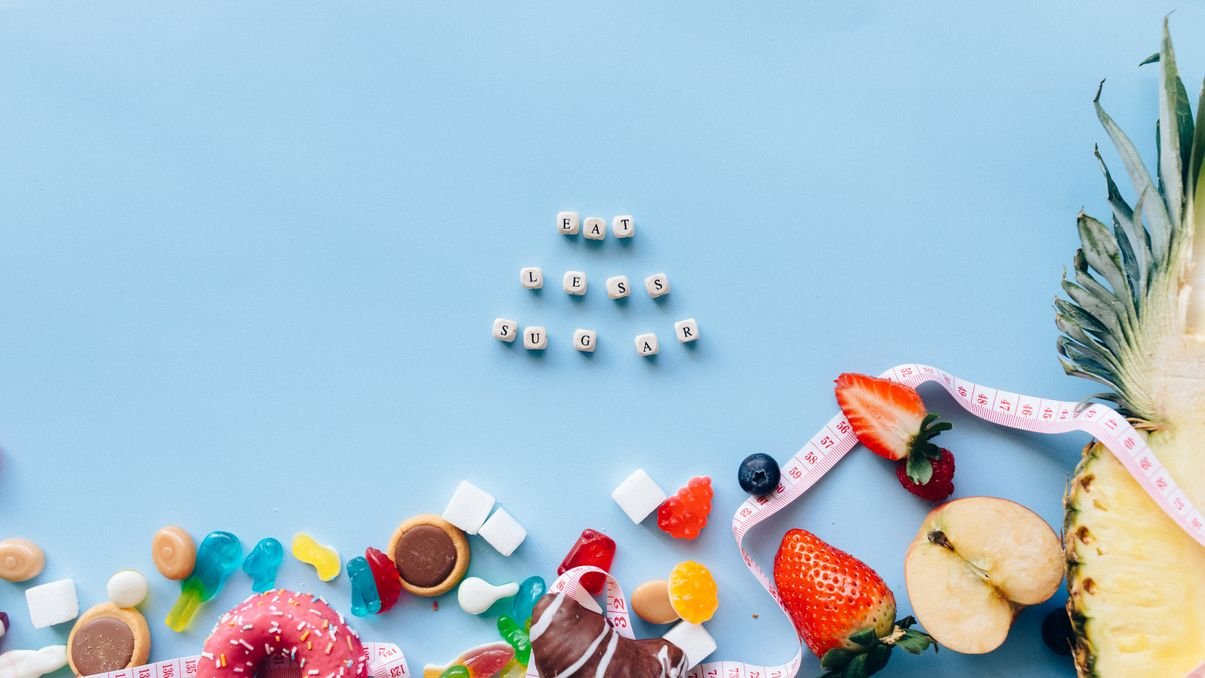
Gestational diabetes (GDM) means your blood glucose is directly affected by what you drink. NHS guidance is unambiguous: avoid sugary drinks, and be skeptical of “no added sugar” labels because some still contain sugars. Fruit juices and smoothies are off the table for most — they are concentrated sources of fruit sugar that send blood glucose high. Diet or sugar-free drinks are better than sugary versions, but that does not make them automatically good.
Here is where the electrolyte question gets tricky. Pregnancy already alters sodium and water balance dramatically: blood sodium concentration is naturally lower in pregnancy (130–140 mmol/L versus 135–145 in non-pregnant adults), plasma volume expands by 7–10 liters by term, and the body enters a state of positive sodium and water retention. The kidneys undergo major adaptations to retain both sodium and potassium for fetal development. In other words, your body is already working hard to hold onto what it needs. Flooding it with a high-sodium electrolyte packet is not automatically helpful — and may be counterproductive if your blood pressure or kidney function is a concern.
There is also a sweetener dimension specific to pregnancy. A 2025 study in Diabetes Research and Clinical Practice found that frequent artificially sweetened beverage consumption during pregnancy (≥5 drinks/week) was associated with a 1.88-fold higher risk of gestational diabetes compared to none. This is observational data, not proof of causation, but it is a signal worth taking seriously — especially if you are already managing GDM. Stevia and monk fruit are plant-derived and generally considered lower-risk, but the cleanest approach is to minimize reliance on any heavily sweetened beverage and use electrolyte products as an occasional tool, not a daily crutch.
A note on sodium and blood pressure: Research on sodium restriction in pregnancy-induced hypertension is genuinely mixed. One older study found that low-salt diets did not lower blood pressure in preeclampsia and actually accelerated volume depletion. A larger NHANES analysis found no association between sodium intake and blood pressure in normotensive pregnant women. The takeaway is not “eat more salt” — it is that sodium needs during pregnancy are individual and context-dependent. Do not guess. Ask.
Important medical and editorial note: Electrolyte supplements are not automatically necessary during pregnancy. Sodium, potassium, sweeteners and other ingredients should be assessed individually — particularly if the pregnant woman has blood pressure or kidney concerns. NHS guidance recommends avoiding sugary drinks and checking labels because even some no-added-sugar drinks contain sugars. Plain water is generally the preferred hydration choice. Nothing in this article should be interpreted as a recommendation to start an electrolyte supplement without first speaking to your midwife, OB/GYN, or a registered dietitian.
⭐ Prefer to see us in Google Discover & Top Stories?
❓ Q&A: What Every Pregnant Reader Needs to Know
Q: Do I actually need an electrolyte supplement during pregnancy?
A: Probably not automatically. NHS guidance centers on plain water and sugar-free fluids for hydration. Electrolyte supplements are a targeted tool for specific situations — heavy sweating, illness with vomiting or diarrhea, or provider-recommended rehydration — not a default daily requirement. If you are eating a varied diet and drinking enough water, you are likely meeting your needs through food.
Q: Is “sugar-free” enough to make an electrolyte powder safe for gestational diabetes?
A: No. “Sugar-free” tells you there is minimal sugar, but it says nothing about the sweetener type (stevia vs. sucralose vs. aspartame), the sodium load, or whether the product contains maltodextrin or other carbohydrate fillers. Read the full ingredient panel, not the front label. NHS specifically warns that “no added sugar” drinks can still contain sugars.
Q: How much sodium is too much in a pregnancy electrolyte drink?
A: There is no universal number, because it depends on your blood pressure, kidney function, swelling, and overall diet. A product with 1,000 mg sodium per serving (like LMNT) delivers nearly half the typical daily target in one packet — that is a lot for a pregnant woman who is not sweating heavily. A lower-sodium option (55–200 mg) is gentler for daily or near-daily use. If you have pregnancy-induced hypertension, preeclampsia risk, or kidney concerns, high-sodium products should be cleared with your OB first.
Q: Which sweeteners should I look for — or avoid?
A: Stevia and monk fruit are plant-derived, zero-calorie, and do not raise blood glucose. They are the most common sweeteners in “clean label” electrolyte powders. Sucralose and aspartame are more controversial: animal studies have raised questions about high-dose exposure during pregnancy, though human evidence is not conclusive. Given the 2025 finding linking frequent artificially sweetened beverages to higher GDM risk, limiting overall intake of heavily sweetened drinks — even zero-calorie ones — is a reasonable precaution. Stevia-sweetened, moderate-sodium products are the pragmatic middle ground for most GDM pregnancies.
Q: Can electrolytes help with pregnancy symptoms like leg cramps or fatigue?
A: Magnesium and potassium play roles in muscle function, and low magnesium has been linked to insulin resistance. But supplements are not a first-line fix for pregnancy cramps, and the evidence for electrolyte drinks specifically relieving cramps is weak. If you are experiencing persistent cramps, fatigue, dizziness, or palpitations, talk to your midwife or OB — these can have causes that a powder will not fix.
📊 The 7 Products Compared: Price, Sodium & Sweeteners
| Product | Price/Serving (approx.) | Sodium | Potassium | Magnesium Form | Sweetener | Pregnancy/GDM Notes |
|---|---|---|---|---|---|---|
| Ultima Replenisher | ~$0.53–$1.05 | 55 mg | 250 mg | Magnesium citrate | Organic stevia | Lowest sodium; gentle for daily use; stevia-sweetened |
| LMNT | ~$1.50 | 1,000 mg | 200 mg | Magnesium malate | Stevia | Very high sodium; use sparingly and only with provider OK |
| Santa Cruz Paleo | ~$1.00 | Moderate | Present | Magnesium glycinate | Stevia | Best magnesium form; moderate sodium |
| Key Nutrients | ~$0.33–$0.38 | 110 mg | 250 mg | Magnesium oxide | Stevia | Budget pick; lower sodium; multivitamin bonus |
| Nuun Zero Sugar | ~$0.67 | ~200 mg | ~125 mg | Magnesium oxide | Stevia | Portable tablets; moderate sodium |
| Redmond Re-Lyte | ~$0.76 | 810 mg | 400 mg | Present | Stevia | High sodium; better value than LMNT but still needs caution in pregnancy |
| Flyby Electrolytes | Mid-range | Moderate | Present | Aquamin (marine) | Stevia + monk fruit | Trace minerals; monk fruit blend |
Value note for pregnancy: The “best value” calculation looks different when you are pregnant. A product with 55 mg sodium (Ultima) is not “underdosed” — it is appropriately conservative for daily hydration when your body is already retaining sodium. A product with 1,000 mg sodium (LMNT) is not a “better deal” — it is a targeted tool that most pregnant women should not use daily. Match the sodium level to your actual need, not to the price per milligram.
🛒 Cards
Ultima Replenisher
Best Low-Sodium Daily Hydration
55 mg sodium · 250 mg potassium · Zero sugar · Organic stevia · 6 electrolytes + trace minerals. If you want a sugar-free electrolyte option that will not flood your system with sodium, Ultima is the safest starting point. It delivers meaningful potassium and magnesium with a sodium level low enough to fit into a normal pregnancy diet without medical anxiety. The stevia-sweetened flavors are clean and not overly intense — important if pregnancy has made you sensitive to tastes and smells. It is not a “rehydration medicine” for illness or heavy sweat; it is a gentle daily sipper for when plain water feels impossible.
👉 Check Current Price on AmazonSanta Cruz Paleo
Best Magnesium Quality
Magnesium glycinate · Himalayan + sea salt · Zero sugar · Stevia-sweetened. Most electrolyte powders use magnesium oxide, which is cheap and poorly absorbed. Santa Cruz Paleo uses magnesium glycinate — the form that is gentler on the stomach and more bioavailable. For pregnancy, that matters: constipation is already a common struggle, and magnesium oxide can make it worse. The sodium level is moderate (not extreme), and the salt blend includes trace minerals from Himalayan and sea salt. If you want a clean-label option with better absorption, this is the pick.
👉 Check Current Price on AmazonLMNT — Use Only With Provider Clearance
High-Sodium Targeted Tool
1,000 mg sodium · 200 mg potassium · 60 mg magnesium · Zero sugar · Stevia. LMNT is the benchmark for high-sodium hydration — and that is exactly why it needs a warning label for pregnancy. One stick delivers 1,000 mg of sodium, which is nearly half the daily target for some women and a significant load for anyone with blood pressure or swelling concerns. It is appropriate for heavy sweating in hot climates or provider-approved rehydration after illness, not for casual daily sipping during pregnancy. If your OB has cleared it, mix with 16–32 oz of water and do not exceed one serving daily without checking.
👉 Check Current Price on Amazon📋 Disclosure & Disclaimer
Affiliate Disclosure: This article contains affiliate links. If you purchase through these links, we may earn a small commission at no extra cost to you. This supports our testing and comparison work. We only recommend products we would consider discussing with our own healthcare providers.
Medical Disclaimer — Please Read This Before Buying Anything: This article is for informational purposes only and is not a substitute for professional medical advice, diagnosis, or treatment. Electrolyte supplements are not automatically necessary or safe during pregnancy. Sodium, potassium, sweeteners, and other ingredients must be assessed individually — particularly if you have gestational diabetes, pregnancy-induced hypertension, preeclampsia risk, kidney concerns, or are taking blood pressure or diuretic medications. Always consult your midwife, OB/GYN, or a registered dietitian before adding any electrolyte supplement to your pregnancy routine. NHS guidance emphasizes plain water and sugar-free fluids as the foundation of hydration in gestational diabetes, and no product in this article overrides that. The FDA has not evaluated these statements, and these products are not intended to diagnose, treat, cure, or prevent any disease.





Leave a Reply