

Introduction
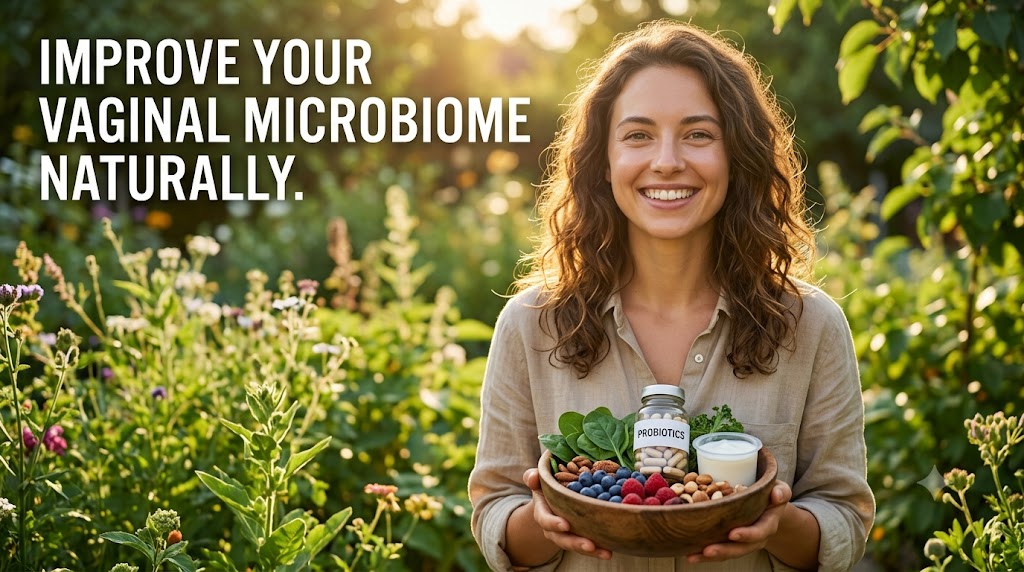
Your vagina has its own microbiome—a delicate ecosystem of bacteria that protects against infections and supports reproductive health. When this ecosystem is balanced, Lactobacillus bacteria dominate and keep the pH slightly acidic.
But factors like diet, hormones, antibiotics, and stress can disrupt this balance, leading to bacterial vaginosis (BV), yeast infections, and discomfort. The good news? How to increase vaginal microbiome naturally starts with what you put on your plate.
This guide covers the best foods, probiotics, and lifestyle strategies to support a healthy vaginal microbiome. For broader gut health principles that also influence vaginal flora, see this guide on how to improve your microbiome.
Understanding Your Vaginal Microbiome
The vaginal microbiome is less diverse than the gut microbiome. In a healthy state, it’s dominated by Lactobacillus species—particularly L. crispatus and L. iners. These bacteria produce lactic acid, which keeps vaginal pH between 3.8 and 4.5 [citation:8].
When Lactobacillus levels drop, harmful bacteria can overgrow. This imbalance is called dysbiosis and can lead to BV, yeast infections, and increased risk of STIs [citation:2].
Research shows that diet plays a meaningful role. A study of 104 reproductive-age women found that higher fiber intake was associated with lower odds of molecular-BV [citation:2]. Another study linked vegetarian diets and exercise to greater vaginal microbial diversity [citation:6].
Best Foods to Increase Your Vaginal Microbiome
1. Fiber-Rich Foods
Fiber feeds beneficial bacteria and supports Lactobacillus growth. Studies show high vegetable intake reduces BV risk by up to 72% [citation:14]. Aim for raspberries, apples, broccoli, sweet potatoes, artichokes, beans, lentils, and whole grains [citation:3].
2. Fermented Foods
Yogurt, kefir, kimchi, sauerkraut, and kombucha deliver live Lactobacillus strains. A study found that women who consumed milk/dairy had higher relative abundance of L. crispatus and L. iners [citation:14].
3. Polyphenol-Rich Foods
Berries, citrus fruits, green tea, and dark chocolate contain polyphenols with antimicrobial effects against BV and yeast [citation:3].
4. Low-Glycemic Foods
Apples, grapefruit, grapes, peanuts, and cabbage help stabilize blood sugar and reduce inflammation—supporting a balanced vaginal pH [citation:3].
5. Omega-3 Rich Foods
Fatty fish, walnuts, and flaxseed support immune function and reduce inflammation, indirectly benefiting vaginal flora [citation:11].
6. Vitamins C, D, E, and Zinc
These nutrients support immune function and tissue repair. Vitamin D deficiency is linked to increased BV risk; zinc supports Lactobacillus proliferation [citation:3][citation:14].
Comparative Chart: What Helps vs. What Hurts
| Factor | ✅ Helps Vaginal Microbiome | ❌ Hurts Vaginal Microbiome |
|---|---|---|
| Fiber | High fiber intake linked to lower BV odds [citation:2] | Low-fiber, processed diets reduce microbial diversity |
| Probiotics | Lactobacillus-containing foods and supplements [citation:14] | Probiotics with non-vaginal strains may not colonize |
| Sugar & Carbs | Low-glycemic foods (vegetables, whole grains) [citation:3] | High glycemic index/load increases BV risk [citation:14] |
| Dairy | Yogurt, kefir with live cultures [citation:7] | High-sugar flavored yogurts |
| Alcohol | Occasional, moderate intake | Regular heavy drinking disrupts pH and immunity [citation:11] |
| Lifestyle | Regular exercise, stress management [citation:6] | Chronic stress, sedentary habits |
Probiotics for Vaginal Health
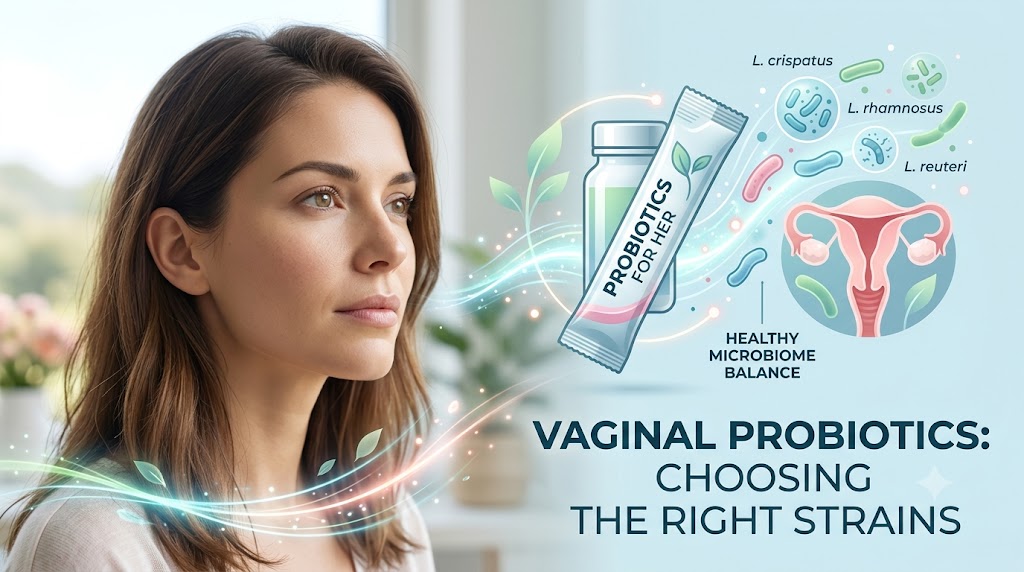
Not all probiotics are created equal. For vaginal health, you need strains that specifically support the vaginal ecosystem—primarily Lactobacillus species.
Best Strains for Vaginal Health
- Lactobacillus crispatus — the most protective strain, associated with healthy vaginal pH
- Lactobacillus rhamnosus — well-studied for BV prevention
- Lactobacillus reuteri — supports immune function and pathogen defense
- Lactobacillus fermentum — helps maintain vaginal acidity
A review of studies found that Lactobacillus-containing probiotics may help prevent and treat BV and yeast infections [citation:10]. However, results vary—some studies show benefits, others show unclear outcomes [citation:14].
Food vs. Supplements: Fermented foods provide live cultures, but supplements can deliver specific, concentrated strains. For targeted vaginal support, a supplement with clinically-studied Lactobacillus strains may be more effective than food alone.
What to Avoid
1. High Sugar and Refined Carbs
High glycemic diets increase BV risk. One study found that high dietary glycemic index and load significantly increased BV odds [citation:14]. Sugar feeds harmful bacteria and yeast.
2. Excess Alcohol
Alcohol impairs immune function and dehydrates tissues, disrupting vaginal pH balance [citation:11].
3. Processed Foods
Ultra-processed foods reduce microbial diversity and promote inflammation. Emulsifiers and additives may harm beneficial bacteria [citation:8].
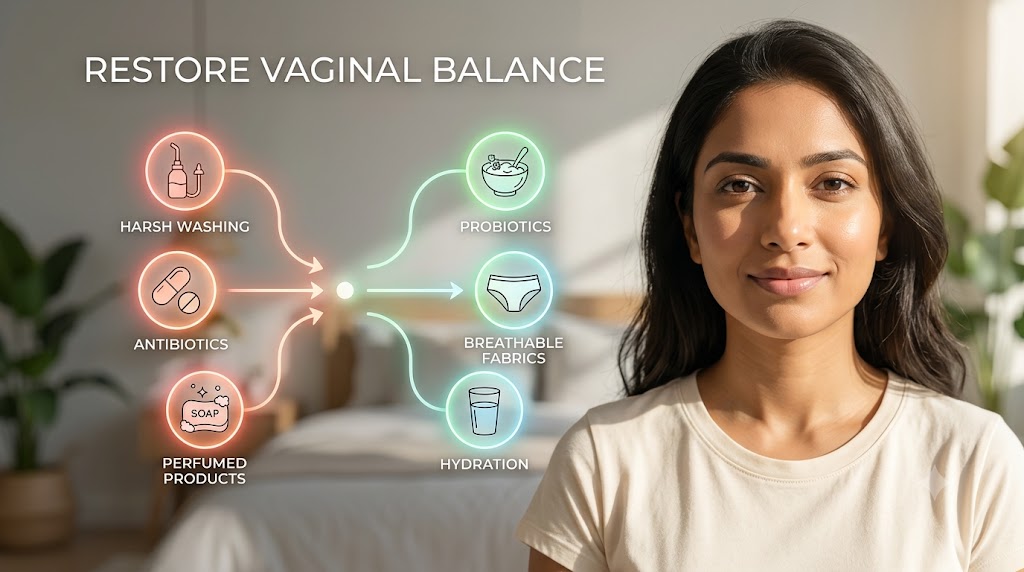
4. Unnecessary Antibiotics
Antibiotics wipe out Lactobacillus along with harmful bacteria. Always use them only when medically necessary, and support recovery with probiotics and fermented foods.
5. Smoking
Smoking is linked to increased BV risk and reduced Lactobacillus colonization [citation:14].
Q&A: Common Questions
Q: Best Ways to Improve Your Vaginal Microbiome Naturally: Foods, Probiotics & Supplements
A: Focus on fiber-rich vegetables, fermented foods like yogurt and kefir, and polyphenol-rich fruits. For supplements, choose products with Lactobacillus crispatus, L. rhamnosus, or L. reuteri. Combine prebiotic fibers with probiotics for best results.
Q: How to Restore a Healthy Vaginal Microbiome Naturally: What to Eat & What to Avoid
A: Eat more plants, fiber, and fermented foods. Avoid sugar, refined carbs, alcohol, and processed foods. Stay hydrated, manage stress, and get regular exercise. Consistency over weeks matters more than any single food.
Q: How to Support a Healthy Vaginal Microbiome: Best Probiotics, Foods & Natural Strategies
A: Use Lactobacillus-specific probiotics, eat fermented foods daily, prioritize fiber diversity, and limit inflammatory foods. Lifestyle factors like sleep, stress management, and avoiding smoking also play key roles.
Q: Can You Improve Your Vaginal Microbiome Naturally? Best Foods & Probiotics to Try
A: Yes. Diet changes can shift vaginal flora within weeks. Best foods include yogurt, kefir, kimchi, garlic, onions, berries, and leafy greens. Best probiotics contain Lactobacillus strains clinically studied for vaginal health.
Q: How long does it take to improve vaginal microbiome with diet?
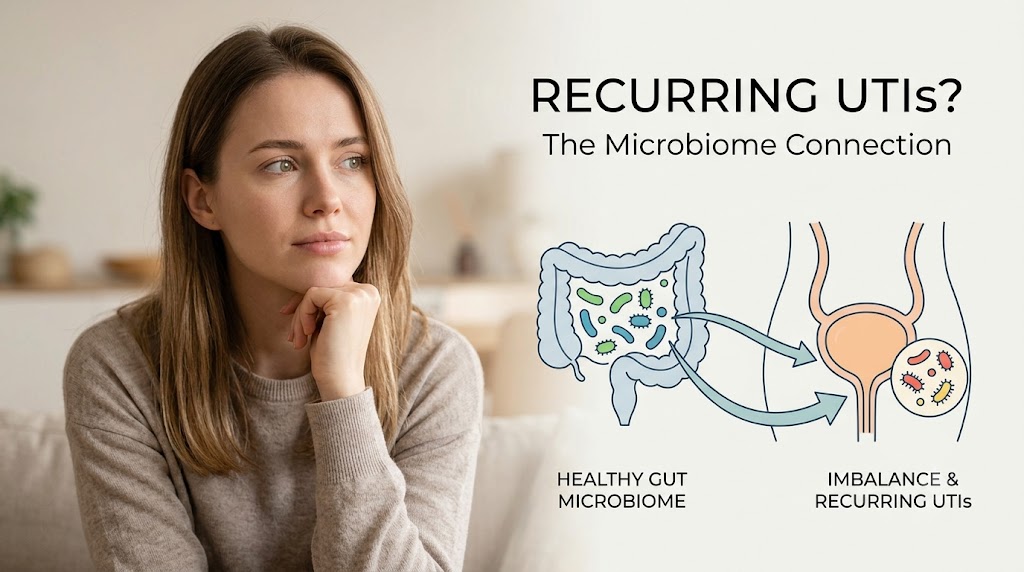
A: Some shifts occur within days, but meaningful changes in Lactobacillus dominance typically take 4–8 weeks of consistent dietary change. The gut-vagina axis means gut health improvements can indirectly benefit vaginal flora.
Q: Are vaginal probiotic suppositories better than oral probiotics?
A: Both have evidence. Oral probiotics can travel from gut to vagina, but suppositories deliver strains directly. Some women benefit from combining both. Discuss with your gynecologist for personalized guidance.
Final Thoughts
Improving your vaginal microbiome naturally isn’t about one magic food or supplement. It’s about consistent habits: fiber-rich plants, fermented foods, targeted probiotics, and limiting sugar and alcohol.
Your vaginal health is connected to your gut health. Feed your gut well, and your vaginal microbiome often follows.
Start small. Add yogurt to breakfast. Swap white rice for brown. Take a quality probiotic. These small shifts compound into a healthier, more balanced vaginal ecosystem.
P.S. If you’re experiencing recurrent BV, yeast infections, or persistent discomfort, don’t ignore it. Vaginal microbiome imbalance rarely resolves on its own and can increase risk of more serious issues. Talk to your gynecologist and take the first step toward restoring balance today.
Medical Disclaimer: This article is for informational purposes only and does not constitute medical advice. It is not a substitute for professional medical advice, diagnosis, or treatment. Always seek the guidance of your physician, gynecologist, or other qualified health provider with any questions about a medical condition or before making dietary changes. If you have a diagnosed vaginal condition or take medications, consult your healthcare provider before altering your diet or adding supplements.
Affiliate Disclosure: This article contains affiliate links. If you purchase through these links, we may earn a small commission at no additional cost to you. We only recommend products we believe may be helpful based on available research and quality standards.




Leave a Reply