

📋 Table of Contents
- Introduction: The Delicate Balance of Your Vaginal Flora
- Normal vs. Diseased Flora: What’s the Difference?
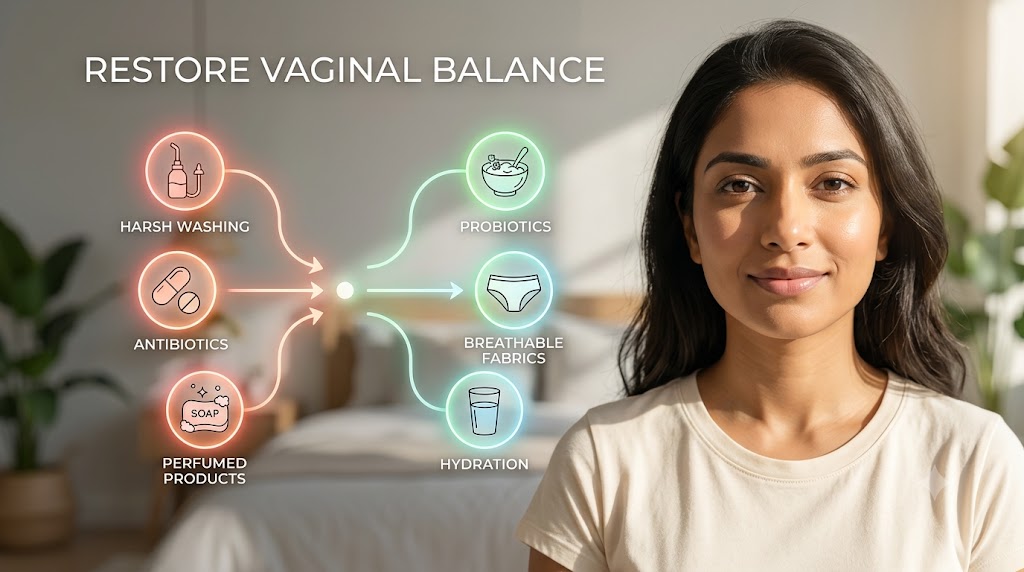
- What Kills Good Bacteria in Your Vagina? Top Culprits
- Products to Avoid (and What to Use Instead)
- How to Restore Vaginal Balance Naturally
- Probiotics That Actually Help
- FAQs
- Disclosure and Disclaimer
Introduction: The Delicate Balance of Your Vaginal Flora
Every woman’s vagina contains billions of bacteria. But not all bacteria are bad. In a healthy vaginal ecosystem, Lactobacillus species dominate — producing lactic acid, hydrogen peroxide, and other compounds that keep the environment acidic (pH 3.8–4.5) and inhospitable to pathogens.
When something disrupts that ecosystem — whether it’s a course of antibiotics, a scented body wash, or a hormonal shift — the protective Lactobacillus population crashes. The result? A rise in vaginal pH, an overgrowth of harmful bacteria or yeast, and the unpleasant symptoms that follow.
This article explores exactly what kills good bacteria in your vagina, which products to avoid, and how to restore your vaginal balance for good.
Normal vs. Diseased Flora: What’s the Difference?
Understanding the difference between a healthy and disrupted vaginal microbiome is the first step toward protecting it. Here’s a side-by-side comparison:
✅ Healthy Vaginal Flora
- Dominant bacteria: Lactobacillus crispatus, L. jensenii, L. gasseri
- pH: 3.8–4.5 (acidic)
- Discharge: Clear or white, odorless, mild
- Symptoms: None — comfort and balance
- Protection: High — pathogens can’t easily colonize
⚠️ Diseased / Disrupted Flora
- Dominant bacteria: Gardnerella vaginalis, Candida, E. coli, anaerobes
- pH: Above 4.5 (alkaline)
- Discharge: Gray, yellow, or thick white; fishy or yeasty odor
- Symptoms: Itching, burning, irritation, pain
- Protection: Low — recurrent infections likely
What Kills Good Bacteria in Your Vagina? Top Culprits
Many everyday habits and products can wipe out your protective vaginal bacteria. Here are the most common culprits:
1. Antibiotics
Antibiotics are life-saving, but they don’t discriminate. They kill harmful bacteria and beneficial Lactobacillus alike. If you must take antibiotics, consider a probiotic supplement to help replenish your good bacteria afterward.
2. Douching
Douching is one of the worst things you can do for vaginal health. It washes away protective Lactobacillus, disrupts pH, and increases the risk of BV and yeast infections. Your vagina is self-cleaning — it doesn’t need douching.
3. Scented Products
Scented soaps, vaginal deodorants, scented tampons, and perfumed feminine wipes contain chemicals that irritate the vaginal mucosa and kill beneficial bacteria. Always choose fragrance-free, pH-balanced products.
4. Spermicides and Some Contraceptives
Spermicides like nonoxynol-9 can disrupt the vaginal microbiome and increase UTI and BV risk. Some hormonal contraceptives may also affect flora balance.
5. Hormonal Changes
Menopause, pregnancy, and even the menstrual cycle can shift estrogen levels, which in turn affect Lactobacillus populations. Postmenopausal women often experience vaginal dryness and increased infection risk due to lower estrogen. For a deeper dive, see this article on why women get UTIs after menopause.
6. Stress and Poor Diet
Chronic stress raises cortisol, which can suppress immune function and alter vaginal flora. A diet high in sugar and refined carbs feeds harmful bacteria and yeast, while a fiber-rich diet supports beneficial bacteria.
Products to Avoid (and What to Use Instead)
Here’s a quick guide to what to avoid and what to use instead:
| Avoid | Why It’s Harmful | Better Alternative |
|---|---|---|
| Douches | Washes away protective Lactobacillus, disrupts pH | Nothing — the vagina is self-cleaning |
| Scented soaps & washes | Irritates mucosa, kills good bacteria | Fragrance-free, pH-balanced wash or warm water |
| Vaginal deodorants | Contains harsh chemicals, disrupts flora | None needed — odor is a sign of imbalance, not hygiene |
| Scented tampons/pads | Chemical irritants can alter flora | Unscented, organic cotton options |
| Spermicides (nonoxynol-9) | Kills Lactobacillus, increases infection risk | Alternative contraception methods |
| Antibacterial body washes | Indiscriminately kills bacteria | Gentle, fragrance-free cleanser |
How to Restore Vaginal Balance Naturally
Rebuilding your vaginal microbiome takes time and consistency. Here are the most effective strategies:
- Stop using irritants: Eliminate douches, scented products, and harsh soaps immediately.
- Wear breathable underwear: Cotton underwear and loose clothing reduce moisture and heat, which can throw off flora.
- Eat for your microbiome: Fiber-rich vegetables, fermented foods (yogurt, kefir, sauerkraut), and low sugar intake support beneficial bacteria.
- Manage stress: Chronic stress affects immune function and hormone balance. Prioritize sleep, movement, and relaxation.
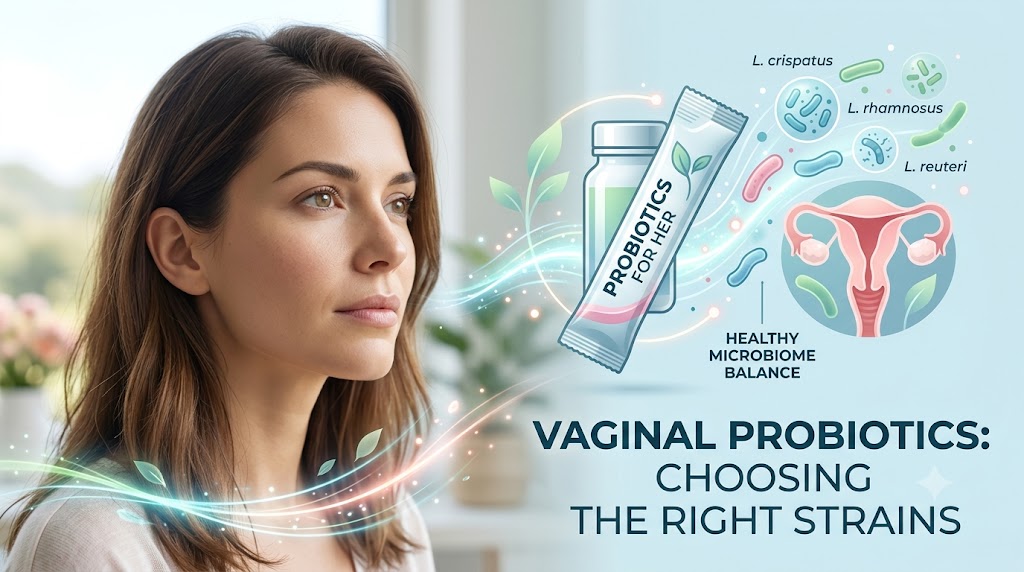
- Consider probiotics: Targeted probiotics for vaginal health can help restore Lactobacillus populations. For a deep dive into which strains work best, see this guide: Best Probiotics for Vaginal Health: Which Strains Are Worth Buying?
- Talk to your doctor: If you have recurrent infections, a healthcare provider can test your vaginal pH and microbiome and recommend targeted treatment.
Probiotics That Actually Help
Not all probiotics are created equal. For vaginal health, you want strains that have been clinically studied for their ability to colonize the vagina and restore pH balance.
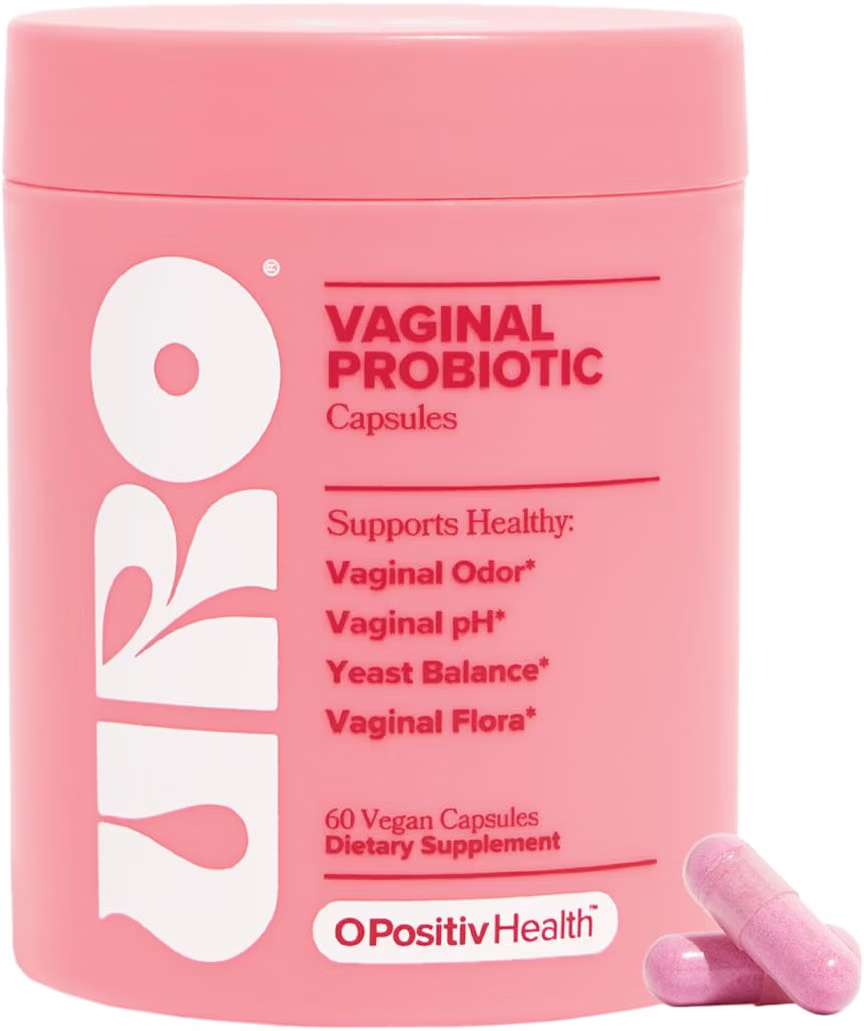
🌟 Top Pick for Vaginal Balance — This probiotic features Lactobacillus crispatus, the most protective strain for vaginal health. Supports pH balance, odor control, and microbiome restoration.
🛒 Check Price on Amazon →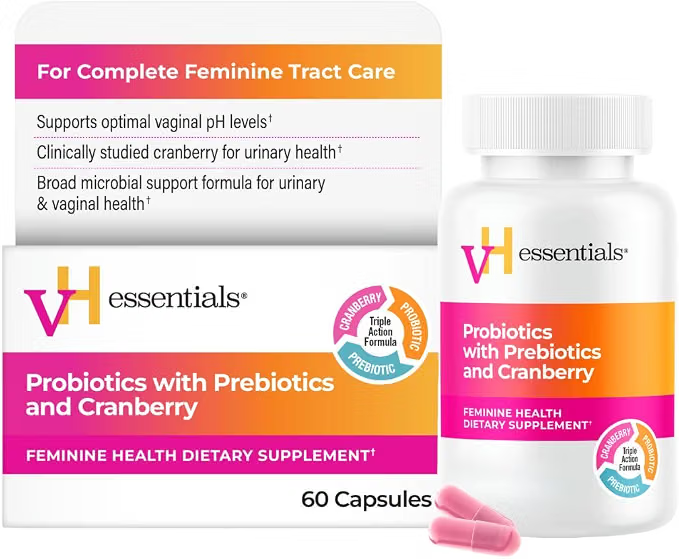
💊 Multi-Strain Vaginal Support — Combines L. jensenii, L. gasseri, and L. rhamnosus for broad-spectrum vaginal microbiome support. Delayed-release capsules for maximum effectiveness.
🛒 View on Amazon →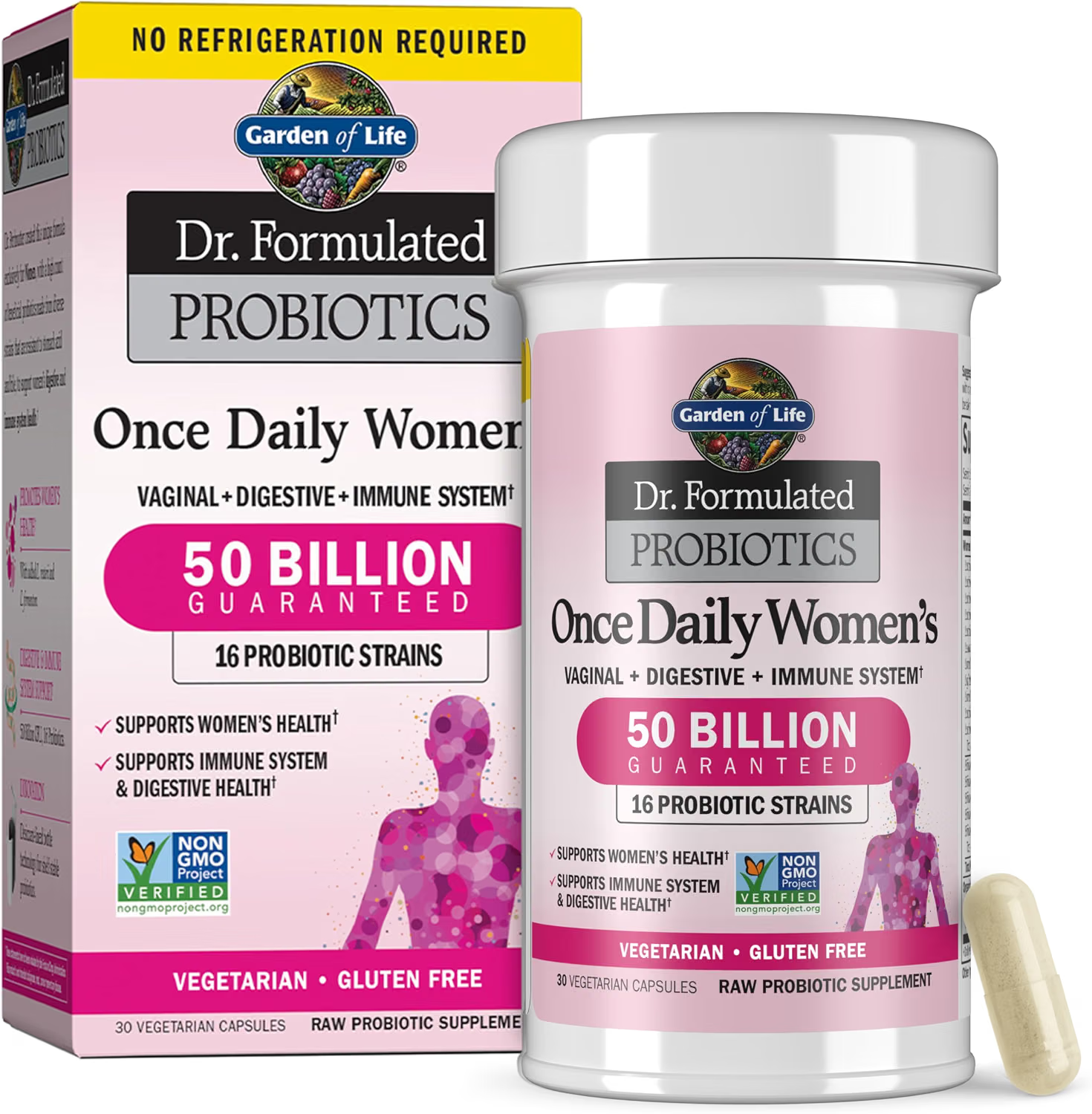
🛡️ Complete Women’s Probiotic — Formulated with clinically studied strains for vaginal, urinary, and gut health. Supports a balanced microbiome from the inside out.
🛒 Check Price on Amazon →When choosing a probiotic, remember: strain specificity, CFU count (1–10 billion), and delivery method (delayed-release capsules) are the three most important factors.
FAQs
Antibiotics, douching, scented soaps and feminine products, spermicides, hormonal changes, chronic stress, and a high-sugar diet are the most common culprits. Avoiding these is essential for maintaining a healthy vaginal microbiome.
Stop using irritants, wear breathable cotton underwear, eat a fiber-rich low-sugar diet, manage stress, and take targeted probiotics for vaginal health containing Lactobacillus crispatus or L. rhamnosus.
Yes. Probiotics with L. crispatus, L. jensenii, and L. rhamnosus have been shown to reduce the recurrence of bacterial vaginosis and yeast infections when used consistently.
Absolutely. Douching washes away protective Lactobacillus, disrupts vaginal pH, and increases the risk of BV, yeast infections, and even pelvic inflammatory disease. The vagina is self-cleaning — douching is never recommended.
Disclosure and Disclaimer
Disclosure: This article is for informational purposes only and does not constitute medical advice. Some links in this article are affiliate links, including the product links to Amazon. If you purchase through these links, we may earn a small commission at no additional cost to you. This helps support our research and content creation.
Disclaimer: The information presented here is based on peer-reviewed research and clinical guidelines available at the time of writing. Individual medical situations vary. You should consult with a qualified healthcare provider — such as a gynecologist, urogynecologist, or infectious disease specialist — before making any decisions about diagnosis, treatment, or supplementation. Probiotics are not a substitute for medical treatment for active infections.
© 2026 — Women’s Vaginal Health Resource. Always consult a healthcare professional for personalized medical guidance.





Leave a Reply