


TORCH infections are a group of congenital infections that can be transmitted from mother to baby during pregnancy. These infections can lead to serious health problems in newborns, making early diagnosis and management crucial. In this article, we will explore the signs and symptoms of TORCH infections, the conditions they include, and how they impact both pregnant women and their babies.
What is TORCH?
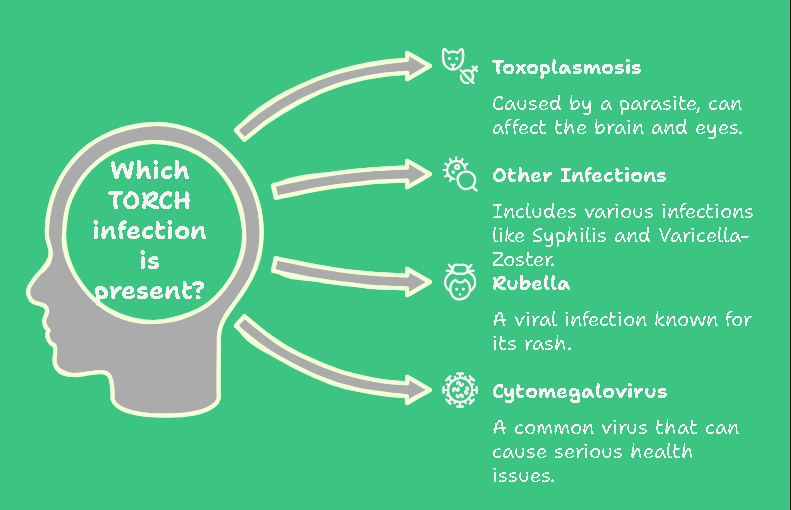
TORCH is an acronym that stands for:
- T – Toxoplasmosis
- O – Other infections (including Syphilis, Varicella-Zoster, Parvovirus B19)
- R – Rubella
- C – Cytomegalovirus (CMV)
- H – Herpes Simplex Virus (HSV)
These infections are particularly dangerous during pregnancy as they can cross the placenta and infect the fetus, leading to congenital anomalies, developmental delays, or even miscarriage.
Common Signs and Symptoms of TORCH Infections
The symptoms of TORCH infections in newborns may vary depending on the specific infection and the time during pregnancy when the infection occurred. However, there are several common signs to look out for:
1. Low Birth Weight
Babies affected by TORCH infections often have intrauterine growth restriction (IUGR) leading to low birth weight.
2. Jaundice
Yellowing of the skin and eyes due to liver dysfunction is frequently observed in infected newborns.
3. Enlarged Liver and Spleen (Hepatosplenomegaly)
This is a common feature in many TORCH infections, particularly CMV and toxoplasmosis.
4. Neurological Abnormalities
These may include:
- Seizures
- Microcephaly (abnormally small head)
- Developmental delays
- Hearing or vision loss
5. Rashes and Skin Lesions
Skin findings like “blueberry muffin rash” (purpura) are characteristic of congenital rubella and CMV.
6. Eye Problems
Chorioretinitis, cataracts, or microphthalmia (abnormally small eyes) may be seen, especially with toxoplasmosis and rubella.
7. Pneumonia or Respiratory Distress
This can occur particularly in congenital syphilis or HSV infection.
8. Hydrocephalus
Abnormal accumulation of cerebrospinal fluid in the brain, seen in toxoplasmosis and CMV infections.
Signs and Symptoms in Pregnant Women
Pregnant women infected with a TORCH organism may experience mild or no symptoms at all. When present, they may include:
- Mild flu-like symptoms
- Fever
- Sore throat
- Swollen lymph nodes
- Rash (as seen in rubella or parvovirus B19)
Due to the subtlety or absence of symptoms, routine prenatal TORCH screening is often recommended, especially for high-risk individuals.
Why Early Detection Matters
Detecting TORCH infections early in pregnancy is essential to:
- Prevent transmission to the fetus
- Initiate early treatment
- Reduce the risk of long-term complications
Timely TORCH panel testing, typically done via blood tests, helps identify these infections during prenatal check-ups.
Conclusion
TORCH infections can have serious consequences for both the mother and baby. While symptoms in pregnant women may be mild, signs of TORCH infection in newborns—such as jaundice, developmental delays, or neurological issues—should prompt immediate medical attention.
Early screening, diagnosis, and treatment are the best ways to minimize complications. If you’re planning a pregnancy or are already pregnant, speak to your doctor about TORCH screening and how to protect your baby’s health.


Leave a Reply