

Breast density has gained increasing attention in recent years because of its connection to breast cancer risk and detection. While dense breasts are common and usually normal, understanding their implications can help women make informed health decisions.
What Causes Breast Density?
Breast density is influenced by several factors, including:
- Age
- Hormonal changes
- Genetics
- Hormone replacement therapy
- Body weight
Younger women often have denser breasts because glandular tissue is more prominent before menopause.
Breast Density as a Risk Factor
Studies show that women with extremely dense breast tissue may have a 4–6 times higher risk of developing breast cancer compared with women with mostly fatty breast tissue.
However, breast density is just one of many risk factors, alongside:
- family history
- genetic mutations
- lifestyle factors
- reproductive history
Breast Density Notification Laws
Many countries and regions now require that women be informed if their mammogram shows dense breast tissue. These laws aim to encourage discussions between patients and doctors about personalized screening strategies.
Lifestyle and Risk Reduction
While breast density itself cannot always be changed, some lifestyle choices may help reduce overall breast cancer risk:
- maintaining a healthy weight
- regular physical activity
- limiting alcohol consumption
- routine screening
The Role of Personalized Screening
Modern medicine increasingly focuses on risk-based screening. Instead of using the same screening schedule for everyone, doctors may tailor imaging tests based on individual risk factors, including breast density.
Looking Ahead
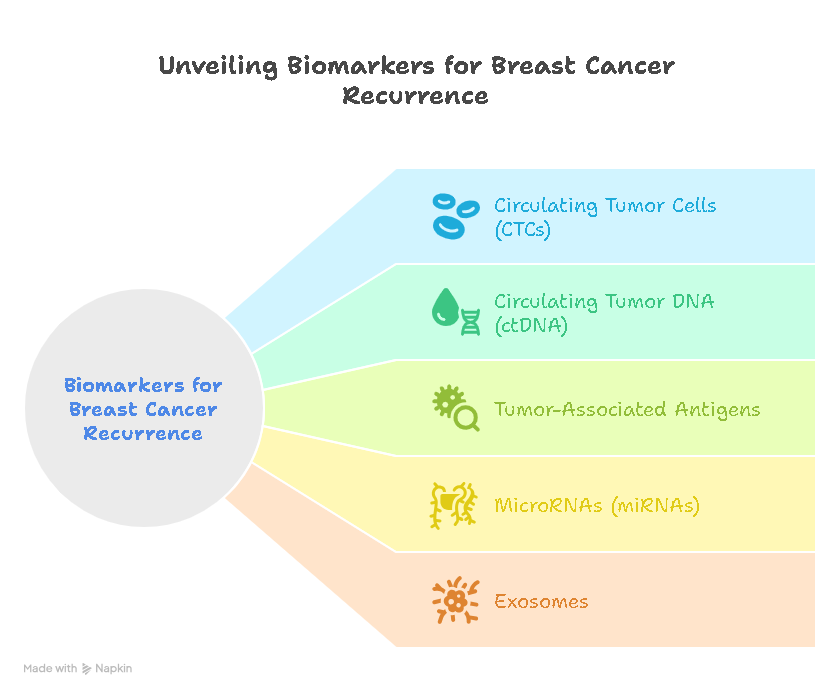
Research into breast density continues to evolve. Scientists are exploring new imaging technologies, artificial intelligence tools, and biomarker tests to improve cancer detection in women with dense breast tissue.
Final Message
Having dense breasts does not mean that cancer will develop, but it highlights the importance of awareness and appropriate screening. By staying informed and working closely with healthcare providers, women can take proactive steps to protect their breast health.








Leave a Reply